
Graduate Research
Showcasing Research
Mohamed K Abbas
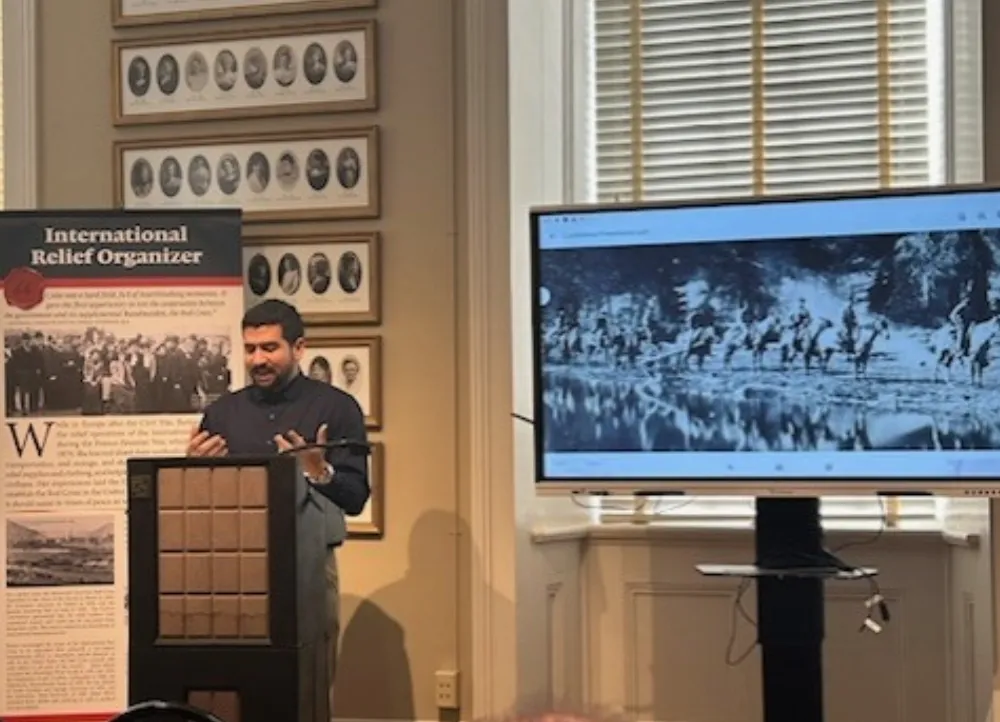
When we tell the history of the United States, we usually tell it through political,
economic, or social perspectives. We talk about presidents and elections, wars and
expansion, immigration, industrialization, and social change, but there is another
way to understand the American experience: through the natural landscape itself.
In my research I briefly tell the history of the United States through the lens of
the Natural Heritage.
Abigail Nagl
My research focuses on a small, territorial, and lungless salamander and how their territorial behaviors are impacted when you expose them to predation stress and what factors may alter their expression of the behaviors. Southern Red-backed Salamanders adjust their territorial behavior when they are exposed to both competitive pressures and potential predation risk. When predation risk was increased, the salamanders generally decreased their aggressive and marking behaviors and increased their vigilant behavior. However, the way the individuals reduced or increased these behaviors depended on sex and whether they owned the territory or not. Females without territories placed higher value on gaining a territory by increasing their aggression when the risk was low. Alternatively, individuals who already owned a territory showed maintenance in their behaviors, suggesting that they can tolerate higher risks to maintain ownership.
Ifaz Ahmed
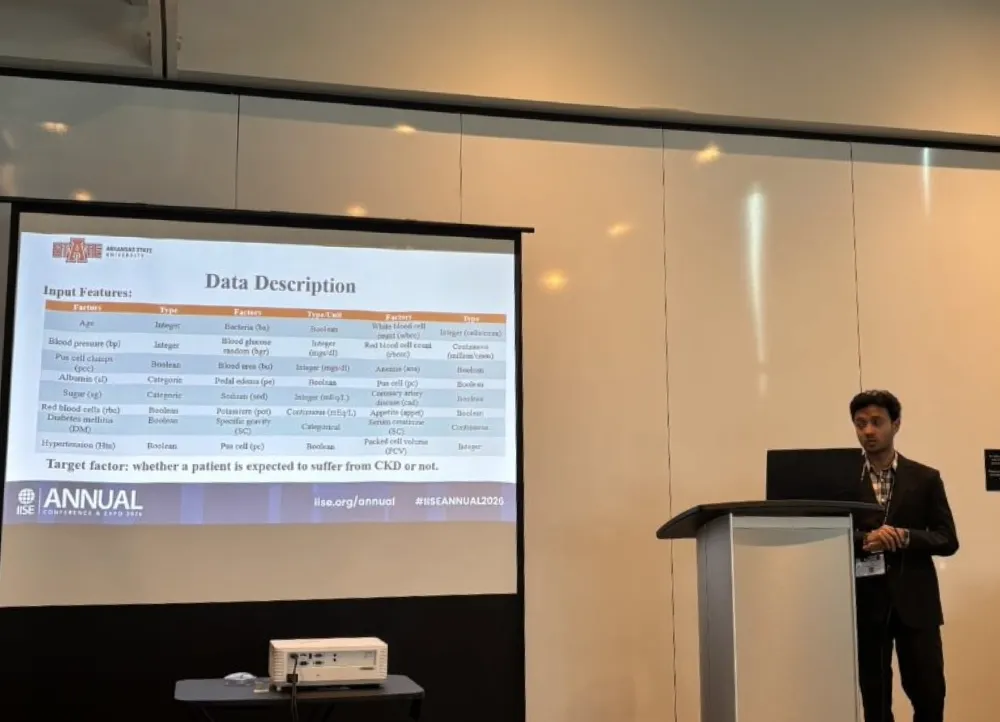
Chronic Kidney Disease (CKD) leads to a decrease in kidney functionality and ultimately requires renal replacement, such as dialysis or transplant. Given that the mortality and morbidity rates are significant, early detection and identification of CKD are critical because they may allow patients to undergo treatment in a timely manner to slow the disease's progression. In this regard, Machine learning (ML) has the potential to support early diagnosis and facilitate clinical decision making. This study combines ML with Explainable AI (XAI) to identify the key factors contributing to patients with positive CKD.

Xiaoyi Guo
As online English learning platforms have become an important way for Chinese families to support preschool children’s intercultural education, this study examines how these platforms address the expectations expressed by parents in earlier interviews. By analyzing the content of online English learning platforms, the study evaluates their effectiveness in meeting parents’ intercultural education needs. Using an adapted Technology Acceptance Model (TAM), the study examines key design and learning features that influence parents’ perceptions of the platforms’ usefulness and ease of use. The findings show that although all twelve platforms provide basic information and technical design features, emphasizing exam-oriented language skills and foundational communication practice, they offer limited support for cultivating multicultural goals such as global perspectives and cultural awareness, as well as parental support features. Additionally, the quality of AI-driven interactive features remains low. Overall, this study reveals a clear gap between parents’ expectations and the actual offerings of current early childhood English learning products and environments, highlighting the need for more equitable, comprehensive, and developmentally appropriate media resources to better support children’s intercultural learning.
Jayme Rawls
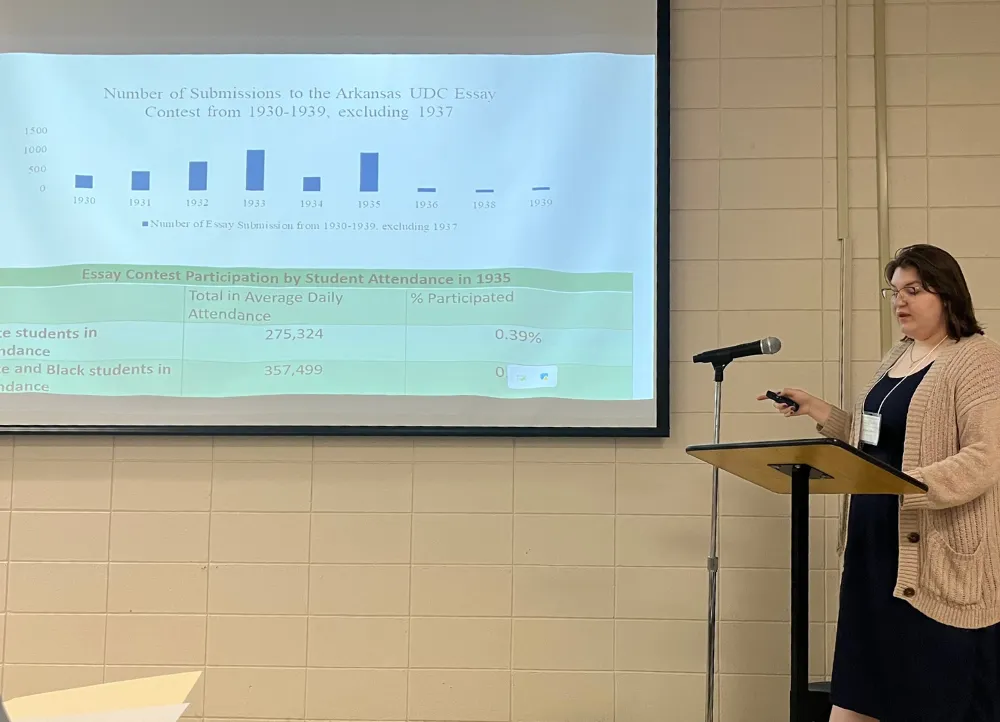
This presentation of the Arkansas pro-Confederate women's organization, United Daughters of the Confederacy (UDC), analyzed the Arkansas UDC's attempts to control how the Civil War was taught in public schools across the state. Combining historical research with statistical analysis to define how effective the Arkansas UDC was in achieving their goals, providing a counter-narrative to many assumptions in the field of Civil War memory studies.
Previous Research
Karimot Shobowale
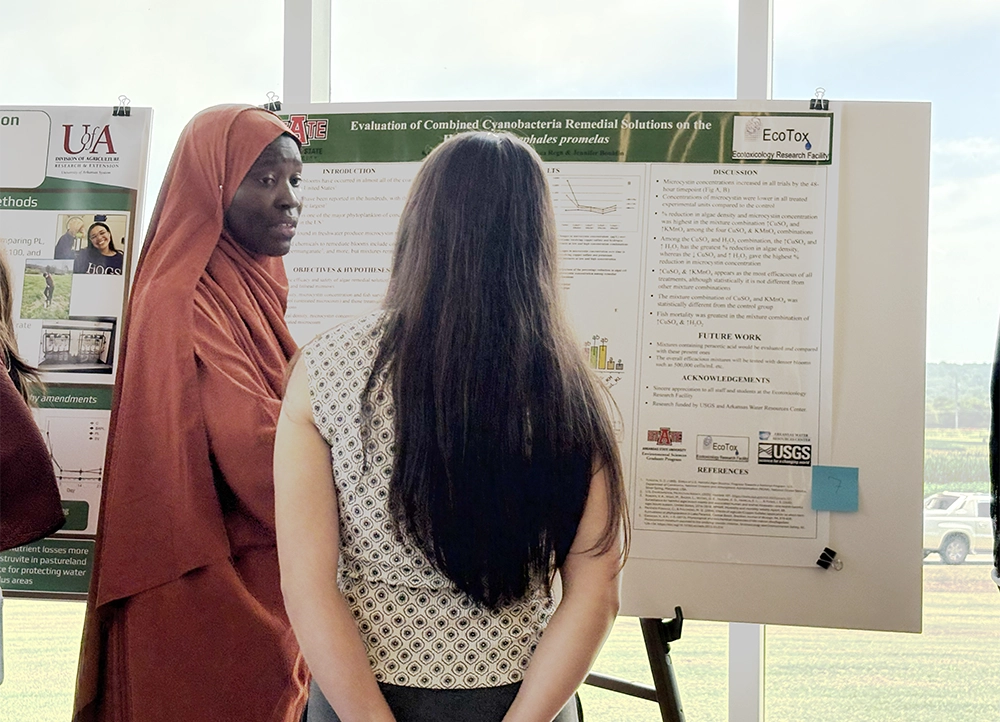
Agricultural activities, including crop and livestock production, are important contributors to nutrient pollution in streams across the United States, with nutrient enrichment contributing to algal blooms and degradation of aquatic ecosystems. My research focuses on evaluating the impacts of land use on water quality and ecosystem health within the Eleven Point River watershed in Arkansas, with emphasis on sedimentation, physicochemical water-quality parameters, nutrient concentrations, and biological assessment of stream health. The research examines spatial and seasonal variation in water-quality conditions, evaluates the influence of stream morphometric characteristics on nutrient concentrations, and assesses differences in macroinvertebrate communities between upstream and downstream locations. In addition, to address the need for effective approaches to prevent and manage eutrophication associated with nutrient enrichment, my research evaluates the toxicological effects of different cyanobacterial remediation solutions and their mixtures on fathead minnows (Pimephales promelas). This component aims to identify remediation treatments that effectively reduce cyanobacterial cell density and microcystin concentrations while minimizing adverse effects on non-target aquatic organisms. Collectively, the findings will improve understanding of the major drivers of water-quality degradation and provide scientifically based information to support effective watershed management and the development of environmentally responsible strategies for controlling harmful algal blooms. Ultimately, this research contributes to the protection of aquatic ecosystems and the sustainable management of freshwater resources.
Sachleen Fnu
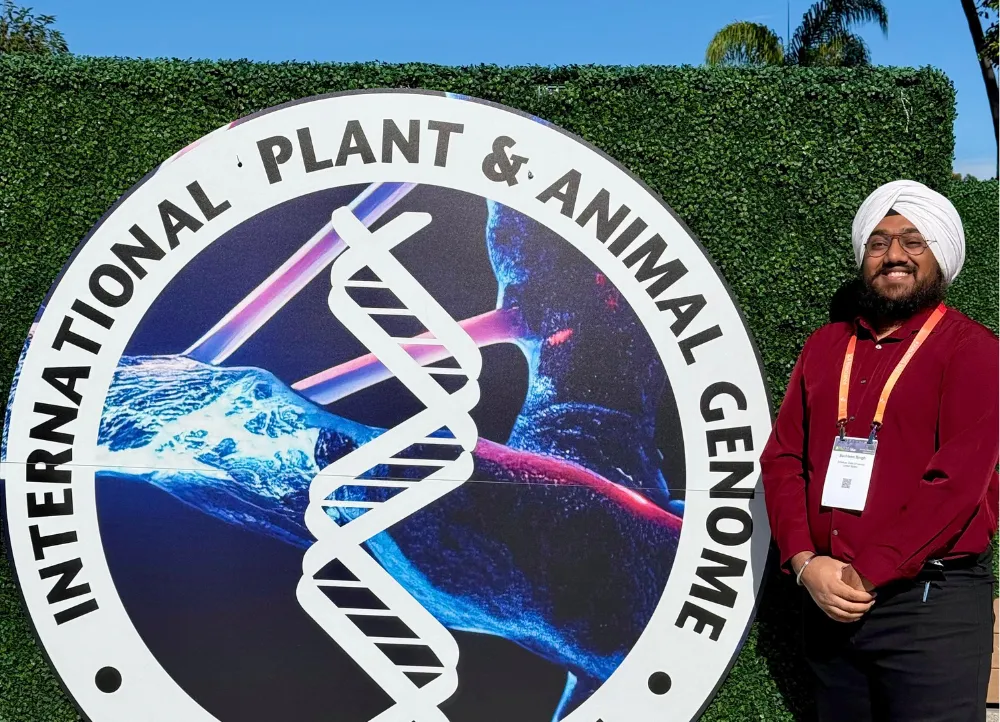
This study, co-authored with Dr. Asela Wijeatne—associate professor of bioinformatics, analyzed gene activity data from five separate soybean disease studies to understand how soybean plants defend themselves when attacked by different pathogens. By combining these datasets and using computational approaches, we identified 9 key regulatory genes that act as master switches controlling the plant's immune response. Three of these belong to the WRKY gene family, which is well known for its role in plant defense. We also found 559 additional regulatory genes that activate only against specific pathogens. This revealed that soybean defense works on two levels, a shared core response that turns on regardless of the threat, and a specialized response tailored to each pathogen. Knowing which genes control these responses gives scientists specific targets to study soybean in more depth to defend against a specific threat or help improve the widescale response.
Nahidun Nabi
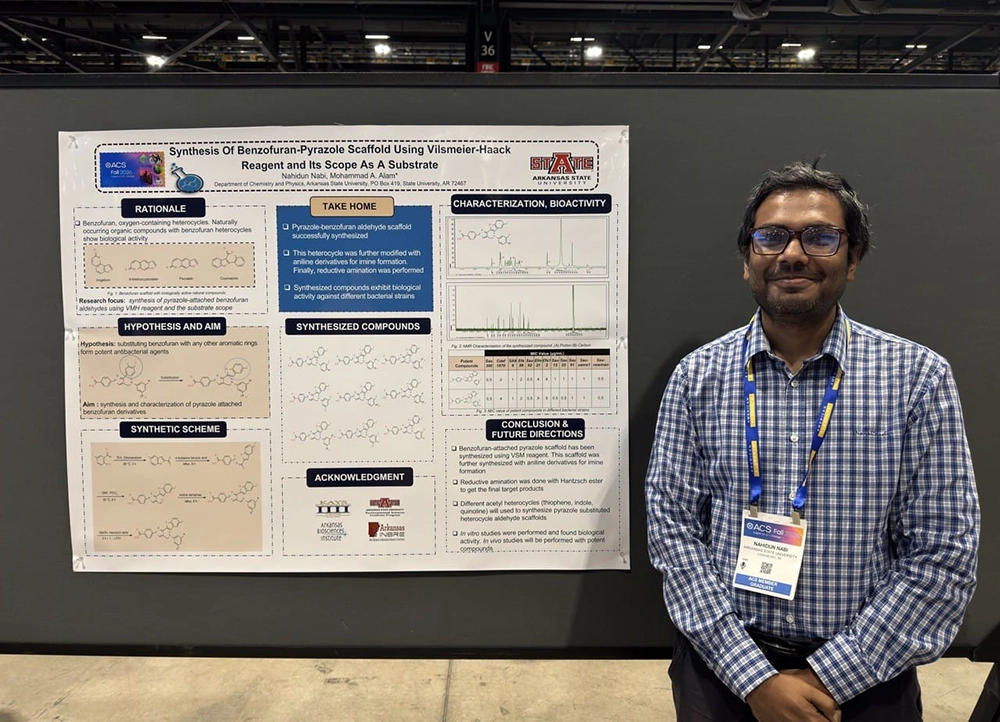
Heterocycles have been the forefront of medicinal chemistry due to their biological activities. Based on this, Dr. Alam’s lab has been synthesizing different heterocycle moieties including pyrazole and thiazole over the years. Beyond that, I want to synthesize benzofuran heterocycle since it is found in many natural compounds. Therefore, my hypothesis is substituting aromatic ring with benzofuran scaffolds form potent antibacterial agents. The objective of my research was to synthesize a library of compounds to study the structure activity relationship (SAR). In total, it was five steps synthesis and NMR confirmed that the compound was successfully formed. After the synthesis, we tested the compounds in different bacterial strains including both gram positive and gram-negative bacteria. Among them, MIC (minimum inhibitory concentration) of the potent compound was 0.5 µg/mL. Due to this promising result, in future, we will try to synthesize other heterocycles including thiophene, quinoline and indole by substituting aromatic ring.
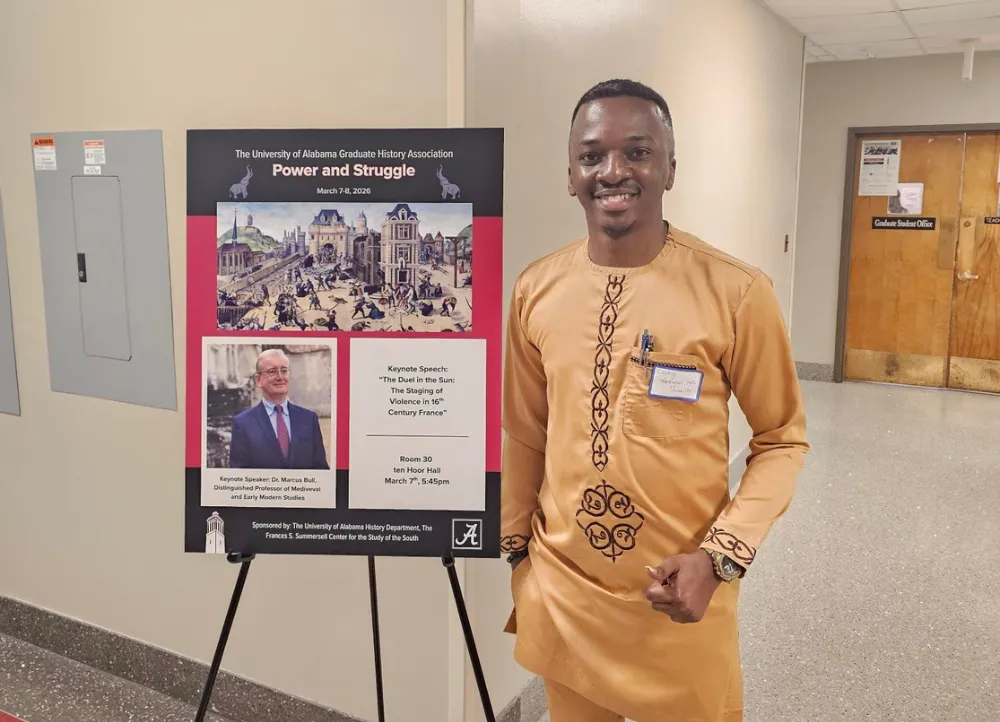
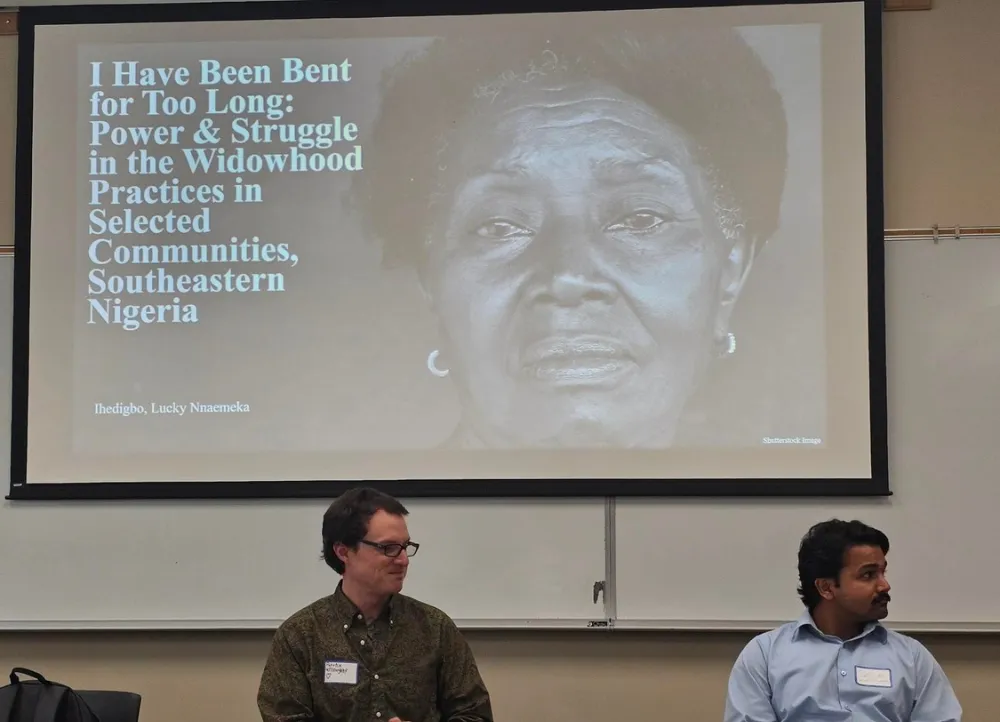
Lucky Ihedigbo
My research examines the adverse treatment that widows are subjected to in the highly patriarchal Igbo society they find themselves. Using strands of the feminist theory and data from oral interviews and the Internet, the study finds that these widows are truly oppressed. However giant strides in globalization and the advent of Christianity has begun to put many of these concerns to bed.
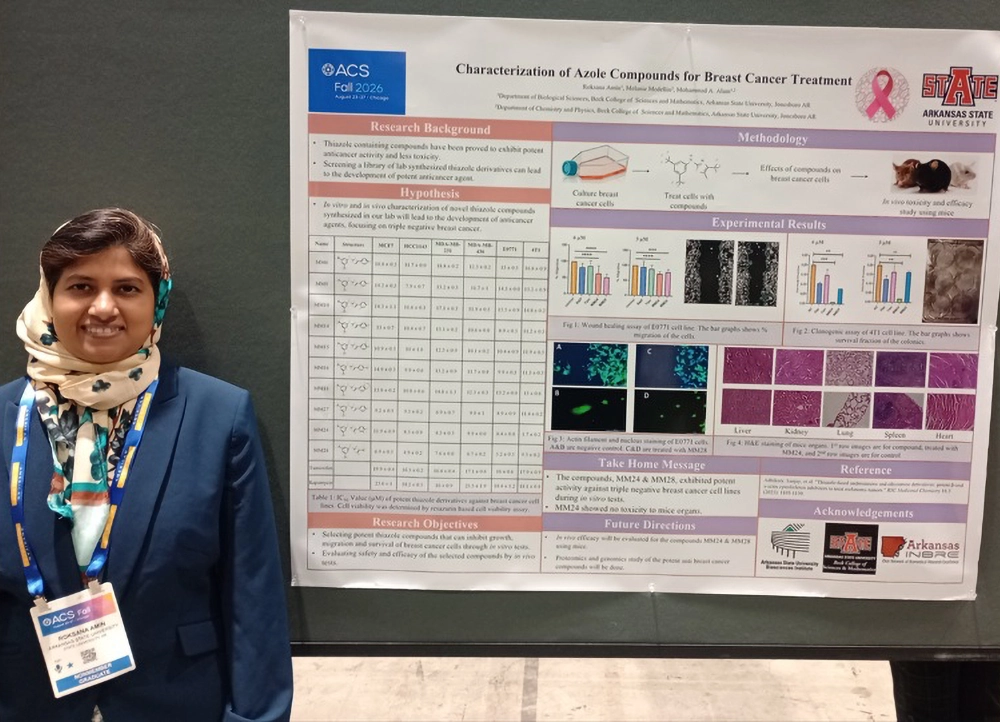
Roksana Amin
Anti-cancer effects of several laboratory-synthesized thiazole compounds and thiazole-attached benzodiazaborinin derivatives were evaluated against human breast cancer cell lines, including MCF-7, MDA-MB-231, MDA-MB-436 and HCC-1143, as well as mouse breast cancer cell lines E0771 and 4T1. Growth inhibition was evaluated using resazurin based cell viability assay, while effects on cancer cell migration and colony forming ability were evaluated using wound healing and clonogenic assays, respectively. Several thiazole compounds exhibited significant cytotoxicity, with IC50 values below 10 µM. Among these, highly potent compounds showing lower IC50 values than the positive controls, tamoxifen and rapamycin, were selected for further in vitro and in vivo studies. In vivo toxicity was assessed in mice through histopathological examination of major organs using hematoxylin and eosin (H&E) staining. The goal of this project is to identify the most effective compound through comprehensive in vitro and in vivo evaluations. Ultimately, the findings will contribute to the development of more effective and less toxic treatment strategies for breast cancer.
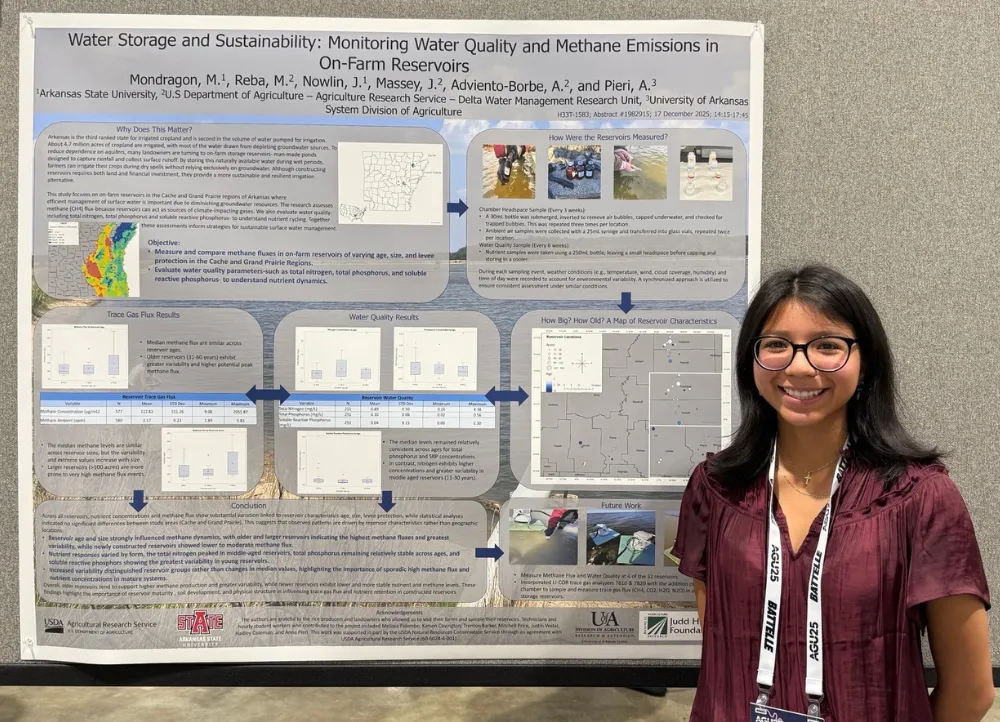
Malena Mondragon
This research examines on-farm storage reservoirs in Arkansas, which are increasingly used to reduce reliance on declining groundwater resources for agricultural irrigation. Reservoirs in the Cache and Grand Prairie regions were evaluated for trace gas fluxes and water quality to gain a better understanding of nutrient cycling and water management. Results show substantial variability in methane flux and nutrient concentrations among reservoirs, with patterns primarily driven by reservoir characteristics such as age, size, and levee protection rather than location. Older and larger reservoirs tend to exhibit higher and more variable trace gas flux, while newer reservoirs exhibit lower and more stable conditions. These findings highlight the importance of reservoir maturity, soil development, and physical structure in influencing trace gas flux and nutrient retention in constructed reservoirs, both of which do not deter from the overall benefit of using on-farm storage reservoirs for irrigation.
Photos
 |
 |
|